


Featured in this edition:
- Construction In The Summer
- Modular Housing Trend
- High-Speed Rail Project
- Refer A Friend & Get Paid
Construction in California Heats Up in the Summer
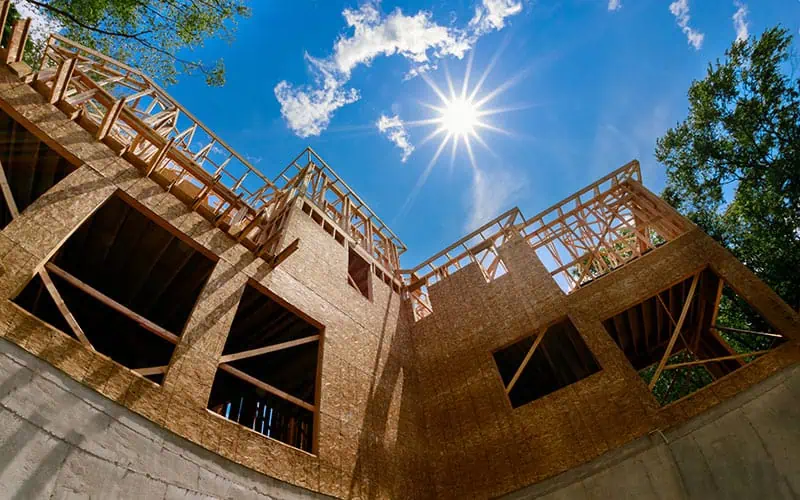
Summer is peak season for the construction industry in California. With longer daylight hours, dry weather, and fewer rain delays, contractors across the state ramp up operations to tackle projects ranging from roadwork and commercial builds to residential developments and home renovations.
The state’s booming population and economy continue to drive demand for new infrastructure, housing, and energy-efficient upgrades. This surge creates steady opportunities for general contractors, subcontractors, and skilled tradespeople throughout the season.
However, working in California’s summer heat also brings challenges. Extreme temperatures, particularly in inland and southern regions, require careful attention to worker safety. Companies must follow Cal/OSHA heat illness prevention regulations, including providing shade, water, and regular rest breaks.
Despite these challenges, summer remains the most productive time for the industry. Many school-based construction projects are scheduled during this window to avoid disrupting students, and homeowners often choose summer months for remodeling due to vacations or more predictable weather.
In all, summer is a vital time for the California construction industry—one that demands smart planning, safety-conscious operations, and skilled labor to meet growing demand while protecting workers from the elements. For many in the industry, it’s the busiest and most profitable time of year.
Modular Home Construction Trend in the Wake of Disasters

In the wake of devastating wildfires across California, modular home construction has emerged as a pivotal solution for disaster recovery. The 2025 Palisades and Eaton fires alone destroyed over 18,000 homes, intensifying the state’s housing crisis. Modular homes, built off-site and assembled quickly, offer a faster and more cost-effective alternative to traditional rebuilding methods. Companies like Hapi Homes and ICON are leading efforts to provide prefabricated housing to displaced residents, reducing construction time from years to mere months.
These homes are not only quicker to build but also incorporate fire-resistant materials and sustainable designs, addressing both immediate shelter needs and long-term resilience. Initiatives like M-Rad’s three-phase housing plan focus on immediate relief, transitional housing, and the development of fire-resistant communities.
Government support has been instrumental in this shift. Governor Newsom’s executive orders have streamlined permitting processes, suspended certain environmental reviews, and allocated significant funds for disaster recovery. These measures have accelerated the deployment of modular homes.
While challenges like transportation costs and regulatory hurdles remain, the adoption of modular construction in California signifies a transformative approach to rebuilding after disasters, emphasizing speed and safety.
Update on California's High Speed Rail Project

California’s ambitious high-speed rail project, initiated in 2008 to connect San Francisco and Los Angeles, has encountered significant challenges. Initially estimated at $33 billion with a 2020 completion target, the project’s costs have escalated to over $100 billion, and its timeline has extended well beyond original projections.
Currently, construction is concentrated on a 171-mile segment between Merced and Bakersfield in the Central Valley, with passenger service anticipated between 2030 and 2033. This segment has seen substantial progress, including the completion of major structures and the commencement of track-laying activities.
Despite these advancements, the project faces scrutiny from the federal government. The Trump administration has threatened to withdraw over $4 billion in federal funding, citing mismanagement and delays. The Federal Railroad Administration has given California 30 days to address these concerns.
Governor Gavin Newsom remains committed to the project, proposing $1 billion in annual state funding to bridge financial gaps. Supporters argue that the high-speed rail is essential for reducing emissions and connecting communities, while critics question its feasibility, escalating costs, and questionable ridership projections.
As the project progresses, its future hinges on securing stable funding and addressing federal concerns to realize California’s vision of a sustainable, interconnected transportation network.
Know someone who needs a license or wants to become an RMO?
Earn $250 cash or $500 credit off your monthly RMO service for each referral that signs up with RMO Agency.
Click the link to refer your friends to our program.

Your Satisfaction Is Our Success!
Please contact us with any questions at:
Email [email protected]
Call 800-818-4962.
Reviews


Wendy was fantastic in helping me get set up with an RMO. She was patient, explained the entire process clearly, and made sure I was matched with someone who was a great fit.
Since then, working with Cecy and Val has also been a great experience. The onboarding process has been simple and well organized. Overall, the team has made the process smooth and easy, and I would definitely recommend RMO Agency to others.



"Having a license opens a lot of opportunities"
Billy talks about his advice for young contractors.
Humor